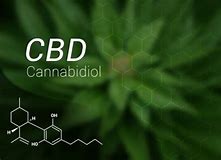
You are likely very familiar with the dangers that prescription painkillers (and other pharmaceuticals) present.  In fact, it’s estimated that the majority of CBD oil users attempt to switch to the all-natural therapy for the precise reason of kicking prescription med habits, which all too often cause an overwhelming array of irritability, sleep disruption, digestive complications, and even thoughts of suicide.

Ultimately, the reason why CBD for chronic pain has become so incredibly popular among patients is because of the fact that it has minimal side-effects. Even highly respected entities like the World Health Organization (WHO) have come right out and said that it is “not associated with any significant adverse public health effects.”
 Moreover, they have also claimed out and out that it is “not associated with abuse potential, does not induce physical dependence, [and] is generally well tolerated with a good safety profile.”
 In addition to CBD’s astounding safety levels, it is also no slouch when it comes to actually reducing pain. In fact, it’s no secret that the U.S. Government holds a patent on the compound as both an antioxidant and a neuroprotectant capable of helping with conditions like fibromyalgia, ALS, and multiple sclerosis, just to name a few.
But wait, what are those so-called minimal side-effects?


 Harvesting Life’s Lessons
Leave a comment